TL;DR: Water damage reconstruction in Woodbridge, VA typically costs $8,000 to $30,000 or more, separate from the mitigation (drying) bill. The range depends on how much drywall, insulation, flooring, cabinetry and trim must be replaced, and whether Prince William County requires permits for the rebuild. Most homeowners insurance policies cover the rebuild when the original water loss was sudden and covered, but the policy pays to restore the home to its pre-loss condition, not to upgrade it.
If your mitigation company just finished drying out your Woodbridge home and handed you a scope for the rebuild, you’re probably staring at a number that feels disconnected from the drying invoice you already paid. That’s normal. Mitigation (extraction, drying, dehumidification) and reconstruction (rebuilding what got torn out) are billed as two separate phases, and the reconstruction phase is almost always the bigger number because it covers materials and labor to put the house back together, not just remove water.
How Much Does Water Damage Reconstruction Cost in Woodbridge, VA?
Most Woodbridge homeowners pay between $8,000 and $30,000 for the reconstruction phase after a significant water loss, with smaller single-room jobs running lower and multi-room or finished-basement rebuilds running higher. The number depends almost entirely on scope: how many rooms were affected, what flooring and cabinetry were involved, and whether structural framing or subfloor needed replacement.
A single bathroom or small bedroom with drywall and flooring replacement might land at $5,000 to $10,000. A kitchen with cabinet replacement, or a finished basement with multiple rooms, can push well past $20,000. These are typical industry ranges for this scope of work in the region, not a quote for any specific home. Every loss is different, and a written scope of work should spell out the exact line items before reconstruction starts.
What Does the Reconstruction Phase Actually Include?
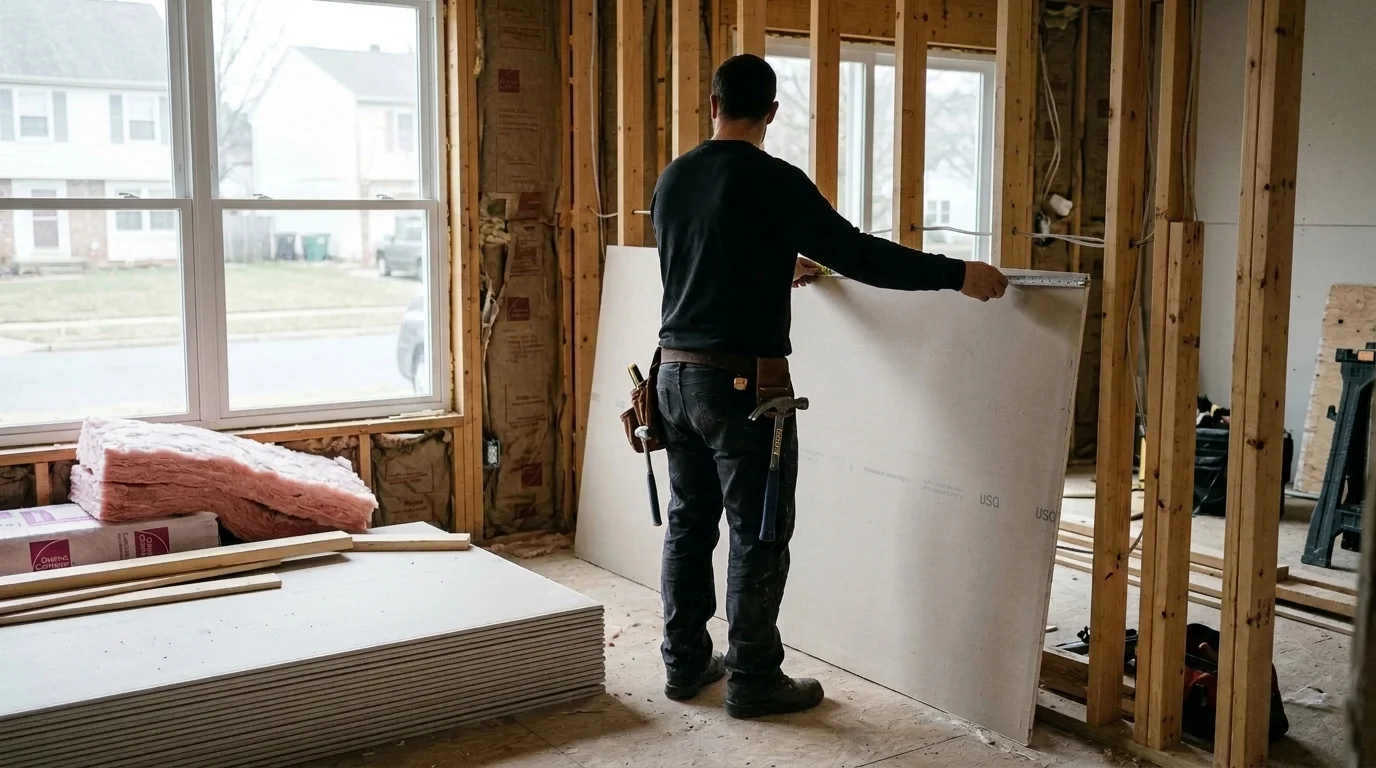
The reconstruction phase covers every material and finish that was removed or damaged during the water loss and mitigation process, from framing and insulation to paint and trim. Here’s what typically shows up on a reconstruction estimate in this market:
| Line Item | Typical Cost Range |
|---|---|
| Drywall removal & replacement (per room, up to ~500 sq ft) | $1,500 - $4,000 |
| Insulation replacement (batts or blown-in, per room) | $500 - $1,500 |
| Flooring replacement, vinyl plank/carpet/laminate (per room) | $1,200 - $4,500 |
| Hardwood flooring replacement (per room) | $3,000 - $8,000 |
| Baseboards & trim (whole room) | $300 - $900 |
| Cabinet replacement (kitchen or bath, affected run) | $2,000 - $8,000 |
| Paint, walls + ceiling (per room) | $300 - $800 |
| Permit fees (Prince William County, structural/electrical/plumbing) | $50 - $500 |
Drywall and flooring usually drive the biggest share of the bill because they’re removed over the largest surface area. If water wicked up the wall more than 24 inches or sat under flooring for more than 48 hours, more material typically gets cut out to prevent future mold growth, which the EPA notes can begin within 24 to 48 hours on wet building materials.
What Drives the Cost Up or Down?
The biggest cost driver is how much of the structure, not just the surface, was affected, since cabinets, subfloor and framing cost far more to replace than drywall and paint. A few specific factors matter most in Woodbridge:
- How long the water sat. Fast mitigation (within the first 24-48 hours) often limits the damage to drywall and flooring. A delayed response lets water travel into wall cavities and under cabinetry, expanding the rebuild scope.
- Category of water. Clean water from a supply line behaves differently than contaminated water. Under the ANSI/IICRC S500 standard, Category 2 (gray water, such as a washing machine overflow) and Category 3 (black water, such as a sewer backup) losses generally require removing more porous material rather than drying it in place, which raises the reconstruction cost.
- Square footage and room type. A finished basement near Lake Ridge or Potomac Mills with carpet, drywall and a wet bar costs more to rebuild than a single upstairs bedroom.
- Permits. Prince William County requires permits for structural repairs, electrical work and most plumbing changes tied to a rebuild, per the building codes adopted from the International Code Council. Permit fees are a small line item, but skipping a required permit can create problems when the home is sold.
- Finish level. Mid-grade vinyl plank costs less to replace than engineered hardwood. Stock cabinets cost less than custom.
Does Insurance Pay for the Rebuild?
Most homeowners insurance policies cover reconstruction costs when the underlying water loss was sudden and accidental, such as a burst supply line, but the payout restores pre-loss condition, not an upgrade. If your policy covered the mitigation (drying) phase, it typically also covers the matching reconstruction scope, since insurers treat the two as one claim.
What it usually will not cover: upgrades beyond what was there before (quartz countertops replacing laminate, for example), damage from a loss excluded in the first place (gradual leaks, flood water without a separate flood policy), or any scope beyond what’s documented in the original claim. For a full breakdown of what a standard policy typically covers versus excludes, see our guide on whether homeowners insurance covers water damage, and review the Insurance Information Institute’s overview of standard homeowners coverage.
The documentation from the mitigation phase (moisture logs, photos, the drying equipment invoice) is what supports the reconstruction estimate during the claim. Keeping that paper trail intact between phases is one of the more common places claims get delayed.
What Does the Reconstruction Process Look Like?
Reconstruction follows a defined sequence once the structure has fully dried and passed a final moisture check, typically:
- Final moisture verification. Framing, subfloor and remaining drywall are tested to confirm they’ve reached dry standard before any new material goes in.
- Scope and estimate. A written, itemized scope covering every line (drywall, insulation, flooring, trim, paint, permits) is produced for approval, often alongside the insurance adjuster.
- Permitting. Structural, electrical or plumbing permits are pulled with Prince William County where required.
- Framing and rough-in. Any damaged framing, insulation, or rough electrical/plumbing is replaced first.
- Drywall and paint. Walls and ceilings go back up, get taped, mudded, and painted.
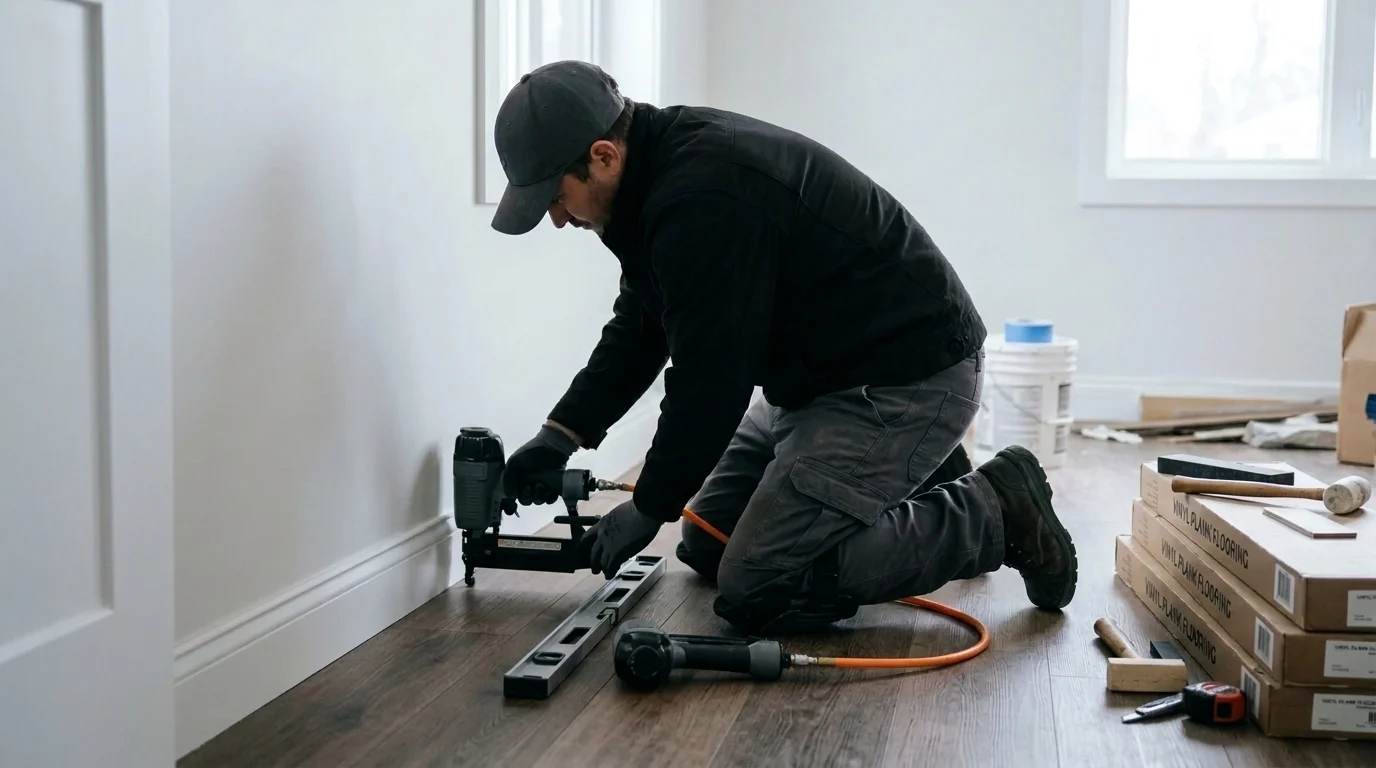
- Flooring and finish work. Flooring, baseboards, trim and cabinetry are installed last, once dust-generating work is done.
This is the phase where a rebuild separate from mitigation becomes most noticeable: it looks and feels like a renovation project because, structurally, it is one.
If you’re comparing a reconstruction estimate against what the drying phase already cost, our water damage restoration cost guide for Woodbridge breaks down the mitigation side separately. For the rebuild itself, Call 24/7 restoration Inc at (703) 727-0385 to request a written reconstruction scope before work begins.
About 24/7 restoration Inc
The company is an IICRC Certified Firm serving Woodbridge, VA and the surrounding Northern Virginia area, licensed and insured, and available 24/7. Its crews handle water damage restoration, water cleanup, sewage cleanup, reconstruction, and general contracting, which means the same team that manages the drying phase can also scope and rebuild the affected rooms afterward.
Video Transcript
Wondering what water damage reconstruction really costs in Woodbridge, Virginia? Here’s what homeowners actually pay to rebuild after a flood or leak. Mitigation dries out your home. Reconstruction rebuilds everything that got torn out. These are two separate phases, billed separately. Most Woodbridge homeowners pay between eight thousand and thirty thousand dollars for reconstruction, depending on how many rooms and finishes were affected. Drywall, flooring, cabinets, and trim usually drive the biggest share of your bill, since they cover the largest damaged surface area. How long water sat matters. Water sitting under flooring for more than forty eight hours often means more material has to be cut out. The type of water matters too. Contaminated water from a sewer backup usually requires removing more material than a clean supply line leak. Prince William County requires permits for structural, electrical, and plumbing work tied to your rebuild. Skipping one can cause problems later. Most homeowners insurance covers reconstruction when the original loss was sudden and accidental, but it restores your home, not upgrades it. A clear, written scope of work helps document exactly what’s being replaced and supports your insurance claim every step of the way. Ready to get your Woodbridge home rebuilt right? Call 24/7 restoration Inc at (703) 727-0385 to schedule an assessment.